Tree Removal

Tree removal is sometimes necessary when a tree becomes unsafe, diseased, or unsuitable for its surrounding environment. Trees that are damaged by storms, decay, or structural weakness can pose risks to nearby buildings, vehicles, and outdoor areas. Removing these trees helps prevent potential hazards and protects the surrounding landscape. The process requires careful planning and precision to ensure it is carried out safely and efficiently. Every step is performed with attention to the tree’s size, position, and nearby structures. Responsible tree removal helps maintain a secure and well-managed outdoor environment.

Certain trees may outgrow their space and begin to interfere with surrounding structures or landscape features. Roots may affect foundations, pathways, or underground utilities, while large branches may extend too close to roofs or power lines. In such situations, removal becomes the most practical solution to prevent further damage. Carefully removing the tree allows the surrounding area to regain balance and functionality. It also creates space for future landscaping or planting opportunities. Managing tree growth in this way helps maintain the safety and usability of the property. Thoughtful decisions ensure the landscape continues to develop in a sustainable way.
Trees affected by disease or severe decay may gradually lose their structural strength. Weak trunks or hollow branches can increase the risk of unexpected breakage. Removing these compromised trees helps protect nearby plants and prevents disease from spreading through the landscape. Early action can reduce the chances of larger problems developing later. Healthy landscapes rely on proactive tree management and responsible decision-making. Removing unstable trees ensures that surrounding vegetation has the opportunity to grow and thrive. Maintaining balance within the environment supports long-term landscape health.

Storms and strong winds can also create situations where tree removal becomes necessary. Trees that have been partially uprooted or heavily damaged may no longer be stable. Broken limbs and weakened trunks can make them dangerous to leave standing. Removing storm-damaged trees helps restore safety and order to the surrounding area. Clearing these hazards prevents further damage during future weather events. It also allows property owners to regain control of their outdoor spaces. Prompt action ensures the environment remains secure and manageable.

Tree removal also plays a role in improving the layout and appearance of a landscape. In some cases, removing a tree may allow more sunlight to reach nearby plants and lawns. This change can encourage healthier growth in the surrounding vegetation. It can also create more open space for landscaping features or outdoor activities. Thoughtful tree management helps maintain a balanced relationship between natural elements and built spaces. When a tree no longer fits within the environment, careful removal can help reshape the landscape positively. The result is a more functional and visually pleasing outdoor setting.

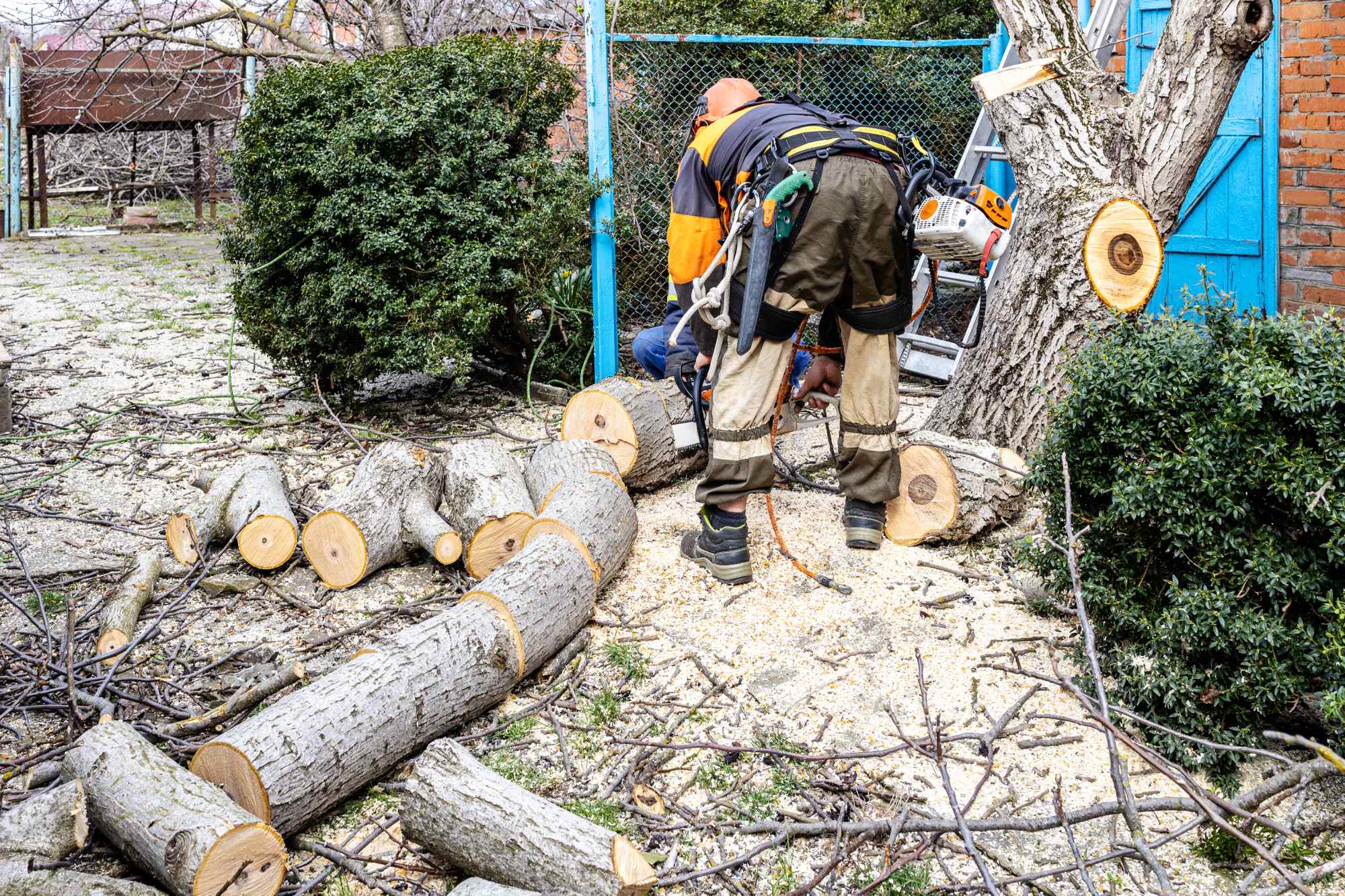
The process of tree removal requires careful planning, proper equipment, and professional expertise. Each step must be handled with precision to ensure safety and minimise disruption to the surrounding area. Sections of the tree are often removed gradually to maintain full control during the process. This controlled approach helps protect nearby structures and landscape features. Once the tree is removed, the area can be cleared and prepared for future use. Responsible tree removal ensures that outdoor spaces remain safe, organised, and ready for new possibilities.