Mulching

Mulching is an important landscaping practice that helps improve soil health and protect plant life in outdoor spaces. By placing a layer of organic material over the soil, moisture can be retained for longer periods, allowing plants and trees to stay hydrated. This protective layer also helps regulate soil temperature, creating a more stable environment for roots to grow. Mulch acts as a natural barrier that shields the soil from harsh sunlight and heavy rain. Over time, it gradually breaks down and adds valuable nutrients back into the soil. This natural process supports stronger and healthier plant growth throughout the landscape.

One of the main benefits of mulching is its ability to conserve moisture in the soil. During warmer seasons, soil can dry out quickly, which may place stress on plants and trees. Mulch helps slow down evaporation, allowing the soil to remain moist for longer periods. This reduces the need for frequent watering and helps plants maintain steady growth. A well-mulched garden can remain healthier even during dry weather conditions. By maintaining proper moisture levels, plants are better able to absorb nutrients from the soil. This creates a stronger and more resilient landscape overall.
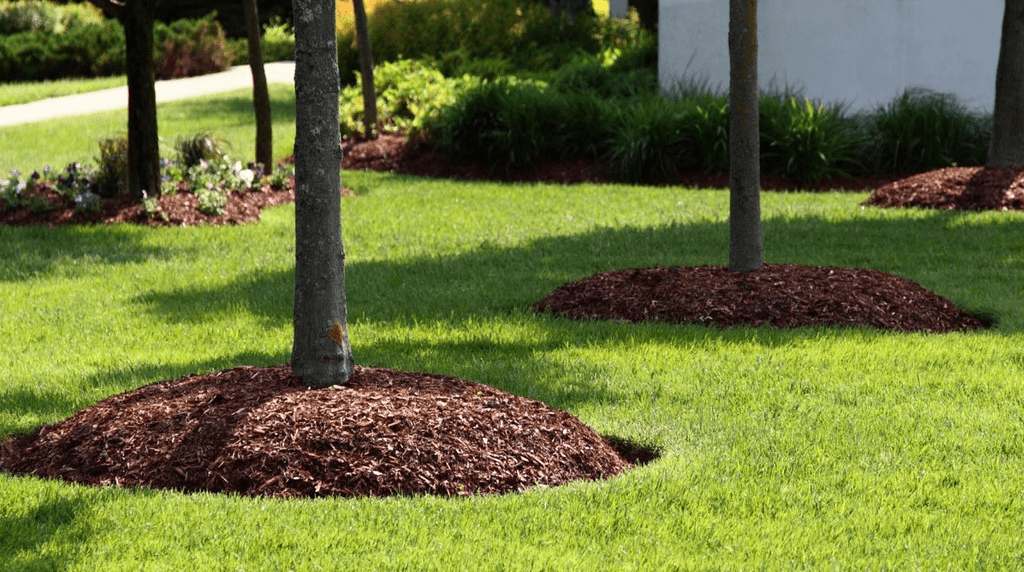

Mulching also plays an important role in controlling weed growth. Weeds often compete with plants for nutrients, water, and space within the soil. A thick layer of mulch acts as a barrier that blocks sunlight from reaching weed seeds. Without sufficient light, many weeds are unable to grow or spread effectively. This helps reduce the amount of maintenance required in gardens and landscaped areas. As a result, plants can grow without unnecessary competition from unwanted vegetation. Keeping weeds under control helps maintain a cleaner and healthier outdoor environment.

Another advantage of mulching is its ability to improve soil quality over time. As organic mulch breaks down naturally, it adds nutrients and beneficial organic matter to the soil. This improves soil structure and encourages healthy microbial activity underground. Richer soil supports stronger root systems and better plant development. Over time, the landscape becomes more fertile and capable of supporting healthy vegetation. Natural soil improvement reduces the need for additional fertilizers. This contributes to a more sustainable and balanced gardening approach.

Mulching also helps protect the roots of plants and trees from extreme environmental conditions. During hot weather, mulch provides insulation that keeps the soil cooler. In colder seasons, it helps maintain warmth around the roots, preventing sudden temperature changes. These protective qualities allow plants to grow more consistently throughout the year. A stable root environment is essential for long-term plant health. By shielding the soil from rapid temperature shifts, mulch helps plants adapt to seasonal changes more effectively. This protective layer plays a key role in maintaining a thriving landscape.

Beyond its practical benefits, mulching also enhances the visual appeal of outdoor spaces. A well-mulched garden or landscape looks cleaner, more organised, and professionally maintained. The rich texture and colour of mulch create contrast that highlights plants, trees, and garden features. This simple addition can transform an ordinary garden into a more attractive and inviting environment. Mulch helps unify different elements of the landscape while providing functional benefits. With proper application, it contributes both beauty and long-term health to outdoor spaces.