Tree Pruning
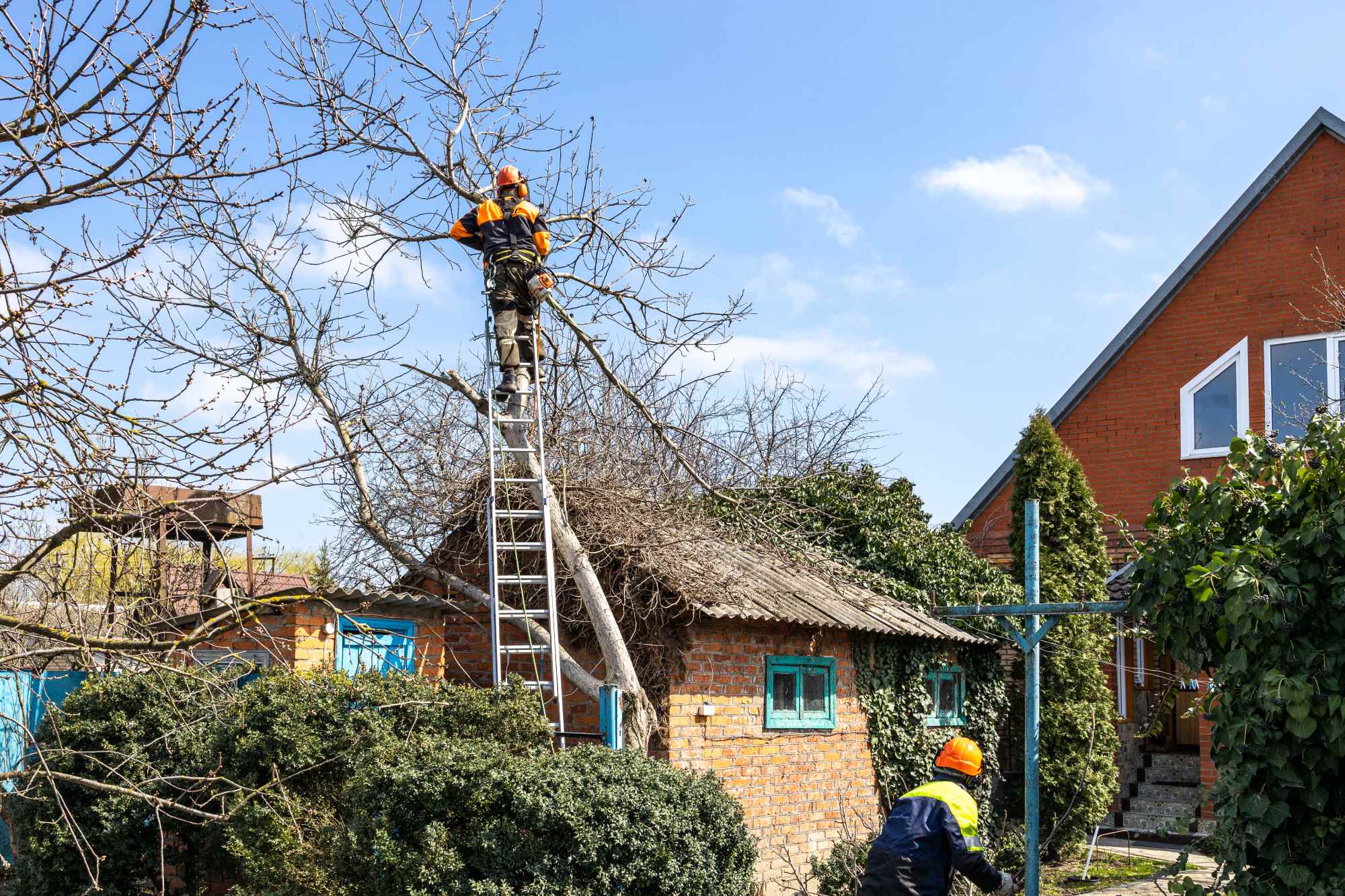
Tree pruning is an essential practice for maintaining the health, strength, and appearance of trees within any landscape. Over time, branches can become crowded, damaged, or weakened, which may affect the tree’s overall stability. Careful pruning helps manage growth while supporting the natural structure of the tree. By removing unnecessary or unhealthy branches, trees can continue to grow in a balanced and controlled way. This process also reduces potential hazards that may arise from overhanging or unstable limbs. Regular pruning encourages trees to develop stronger and more resilient growth patterns.
One of the main purposes of pruning is to improve the health of the tree. When diseased or dying branches are removed, the tree can redirect its energy toward healthy growth. This allows the remaining branches to develop more efficiently and strengthens the overall structure. Proper pruning also helps prevent the spread of disease throughout the tree. By improving airflow through the canopy, the risk of fungal infections and pests can be reduced. Healthy trees are better able to adapt to environmental changes and seasonal conditions. Consistent care helps trees remain vibrant and strong.