Service Image 1
Tree Lopping

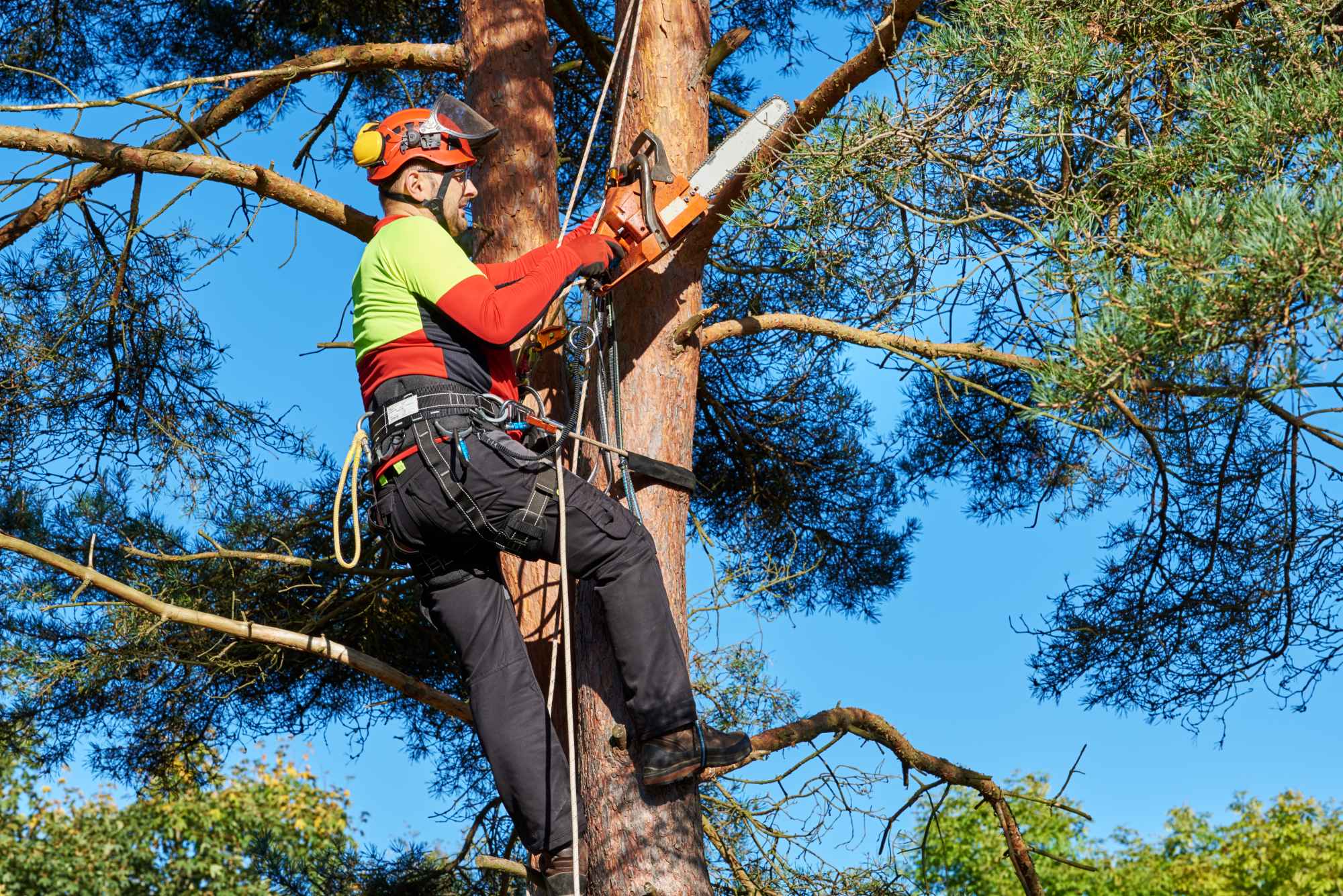
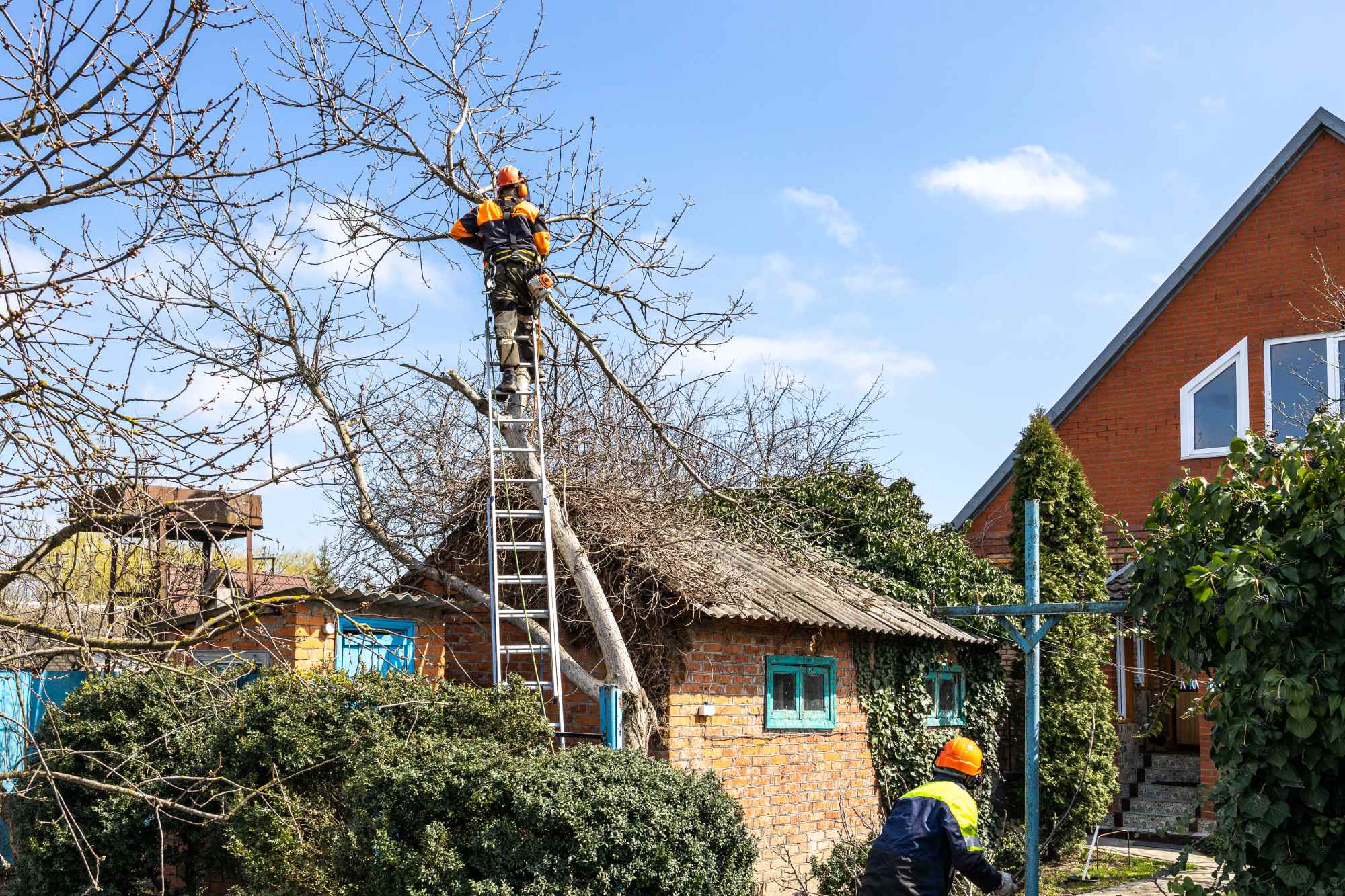
Tree lopping plays an important role in maintaining the balance and safety of large trees around homes and commercial spaces. Overgrown branches can become hazardous, especially during storms or strong winds, making regular tree management essential. Careful lopping helps control the size and direction of tree growth while preserving the natural shape of the tree. Skilled professionals assess the structure of each tree before beginning the process to ensure safe and effective results. The goal is not only to reduce excess growth but also to protect nearby structures, power lines, and surrounding landscapes. Proper tree lopping supports healthier outdoor spaces while reducing potential risks to property and people.

Managing tree growth requires more than simply cutting branches. A thoughtful approach is necessary to maintain the tree’s structural strength and long-term stability. By removing heavy or unbalanced limbs, trees can regain a healthier and more controlled shape. This also allows sunlight to reach the lower parts of the tree and surrounding plants. Improved airflow through the canopy can reduce the chances of disease and pest problems. Professional techniques ensure that trees continue to grow in a strong and stable way. As a result, landscapes remain both safe and visually appealing.

Large trees can sometimes dominate a space and create challenges for nearby buildings or outdoor areas. Strategic lopping helps reshape trees so they fit better within the environment around them. This approach protects roofs, fences, driveways, and other structures from damage caused by expanding branches. It also helps prevent limbs from interfering with pathways or overhead lines. With the right methods, trees can be carefully adjusted without harming their natural growth patterns. The process requires knowledge, patience, and precision to achieve balanced results. When handled properly, the surrounding landscape becomes safer and more functional.

Maintaining trees through professional lopping can significantly improve the overall appearance of a property. Trees that are well-managed tend to look healthier and more organised within the landscape. Removing excess or uneven branches creates a cleaner and more balanced canopy. This enhances the visual appeal of gardens, yards, and commercial outdoor spaces. Well-maintained trees also contribute to a welcoming and well-kept environment. Thoughtful tree care helps properties maintain their natural charm and greenery. Over time, regular maintenance can preserve the beauty of mature trees for years to come.

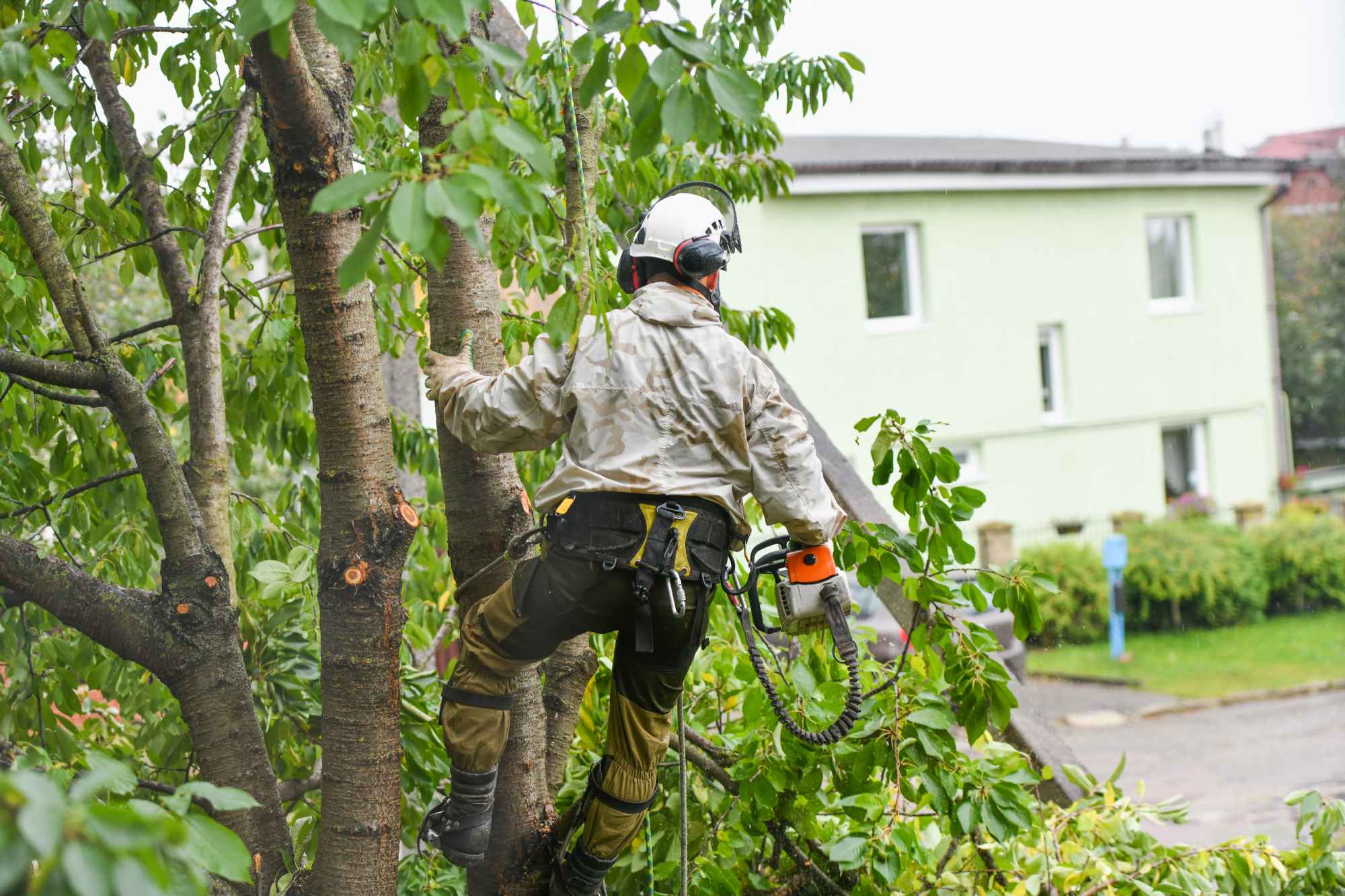
Safety is always a key factor when performing tree lopping. Branches positioned too close to buildings or hanging over public areas can create serious risks. Removing these hazards requires careful planning and the use of appropriate equipment. Professionals evaluate the tree’s height, weight distribution, and surrounding obstacles before beginning work. This helps ensure each cut is made with precision and control. By reducing the chance of falling branches, tree lopping helps protect people, vehicles, and nearby structures. Safe tree management brings peace of mind to property owners.

Regular tree care also contributes to the long-term health of the landscape. When trees are maintained properly, they are more likely to grow strong and stable for many years. Controlled lopping helps guide future growth while preventing overcrowded branches. Healthy trees create shade, improve the atmosphere of outdoor spaces, and add natural character to the environment. Responsible tree management supports both safety and sustainability. By maintaining trees with proper techniques, landscapes can remain vibrant and well balanced. Consistent care ensures that trees continue to thrive as part of the surrounding environment.

Service Image 2
Arbor Services

Arbor services focus on the professional care and long-term management of trees to ensure they remain healthy, stable, and safe within their environment. Trees require proper assessment and maintenance to grow strong and maintain their natural structure. Skilled arbor practices involve careful observation of tree condition, soil health, and surrounding landscape factors. Through informed techniques, trees can be supported to thrive while reducing risks caused by unstable branches or declining growth. Responsible tree management plays an important role in maintaining balanced and sustainable outdoor environments. When handled with expertise, trees can continue to grow safely while enhancing the natural beauty of a property.

Understanding the condition of each tree is a crucial part of arbor services. Every tree has unique growth patterns, structural characteristics, and environmental influences that must be considered. Professional evaluation helps identify potential issues such as disease, decay, or structural weakness. Early detection allows appropriate action to be taken before problems become severe. Careful attention to these factors supports stronger tree development over time. By monitoring tree health and responding with the right solutions, long-term stability can be maintained. Thoughtful management ensures trees remain valuable and safe elements within the landscape.

Maintaining healthy trees also contributes to the overall balance of outdoor spaces. Proper arbor care supports natural growth while preventing overcrowding and excessive weight within the canopy. Controlled management encourages better sunlight distribution and airflow throughout the tree. These conditions help reduce stress on the tree and improve its ability to thrive. Balanced growth creates a stronger structure capable of withstanding environmental pressures. Trees that receive consistent care often develop deeper roots and healthier branches. Over time, this contributes to a more resilient and visually pleasing landscape.

Arbor services also play an important role in protecting nearby structures and surrounding areas. Trees that grow too close to buildings, fences, or pathways may require careful attention to prevent future damage. Strategic management helps guide tree growth away from these obstacles. This approach protects both the tree and the surrounding property. When trees are properly maintained, they are less likely to cause structural interference or safety concerns. Responsible tree care supports harmony between natural elements and built environments. Well-managed trees remain beneficial rather than becoming potential hazards.

Environmental awareness is another important aspect of professional arbor care. Trees are vital components of healthy ecosystems and contribute to cleaner air and improved biodiversity. By maintaining trees responsibly, their natural benefits can be preserved for future growth. Sustainable practices focus on protecting tree health while minimising unnecessary impact on the surrounding environment. Careful planning ensures that tree management supports long-term ecological balance. Healthy trees continue to provide shade, shelter, and beauty within the landscape. Responsible arbor care strengthens both natural and urban environments.

Long-term tree management requires knowledge, patience, and consistent attention. Arbor services focus on guiding trees through each stage of growth while preserving their natural strength. Proper care allows trees to mature safely and maintain their structural integrity. As trees grow stronger, they continue to enhance the landscape with shade, character, and natural beauty. Consistent monitoring and maintenance help prevent future problems before they arise. Through professional arbor practices, trees can remain healthy and stable for many years. Responsible tree care ensures landscapes remain vibrant and balanced.

Service Image 3
Tree Pruning

Tree pruning is an essential practice for maintaining the health, strength, and appearance of trees within any landscape. Over time, branches can become crowded, damaged, or weakened, which may affect the tree’s overall stability. Careful pruning helps manage growth while supporting the natural structure of the tree. By removing unnecessary or unhealthy branches, trees can continue to grow in a balanced and controlled way. This process also reduces potential hazards that may arise from overhanging or unstable limbs. Regular pruning encourages trees to develop stronger and more resilient growth patterns.

One of the main purposes of pruning is to improve the health of the tree. When diseased or dying branches are removed, the tree can redirect its energy toward healthy growth. This allows the remaining branches to develop more efficiently and strengthens the overall structure. Proper pruning also helps prevent the spread of disease throughout the tree. By improving airflow through the canopy, the risk of fungal infections and pests can be reduced. Healthy trees are better able to adapt to environmental changes and seasonal conditions. Consistent care helps trees remain vibrant and strong.

Pruning also plays an important role in shaping trees and maintaining an organised landscape. As trees grow, branches may extend in different directions and create an uneven appearance. Careful trimming helps guide growth so that the tree maintains a balanced and natural form. This improves the visual appeal of outdoor spaces such as gardens, yards, and commercial landscapes. Well-shaped trees contribute to a cleaner and more structured environment. When done correctly, pruning enhances both the beauty and functionality of the landscape. The result is a more harmonious outdoor setting.

Safety is another important reason why tree pruning is necessary. Large branches that hang over buildings, driveways, or walkways can pose risks if they become weak or unstable. Removing these branches helps protect people and property from potential damage. Strategic pruning reduces the likelihood of limbs breaking during storms or strong winds. This proactive approach ensures that trees remain safe within their surroundings. Maintaining proper branch structure also improves the tree’s ability to withstand environmental stress. As a result, the landscape becomes a safer place for everyone.

Proper pruning techniques also support the natural growth cycle of trees. Each cut must be made carefully to ensure the tree can recover and continue growing without unnecessary stress. Skilled pruning encourages healthy branching patterns and prevents overcrowding within the canopy. This balance allows sunlight to reach lower branches and surrounding plants. Trees that receive proper pruning tend to develop stronger trunks and stable growth. Over time, this contributes to a healthier and more durable landscape. Thoughtful tree care ensures that growth continues in a sustainable and controlled manner.

Long-term tree care often relies on regular pruning to maintain stability and beauty. Trees that are consistently maintained tend to remain healthier and more visually appealing. Routine pruning prevents excessive growth and keeps trees well proportioned within their environment. This also allows surrounding plants and landscape features to flourish without obstruction. With careful attention and proper maintenance, trees can thrive for many years. Pruning helps preserve the natural character and strength of each tree. Consistent care ensures that landscapes remain vibrant and well-balanced.

Service Image 4
Stump Grinding

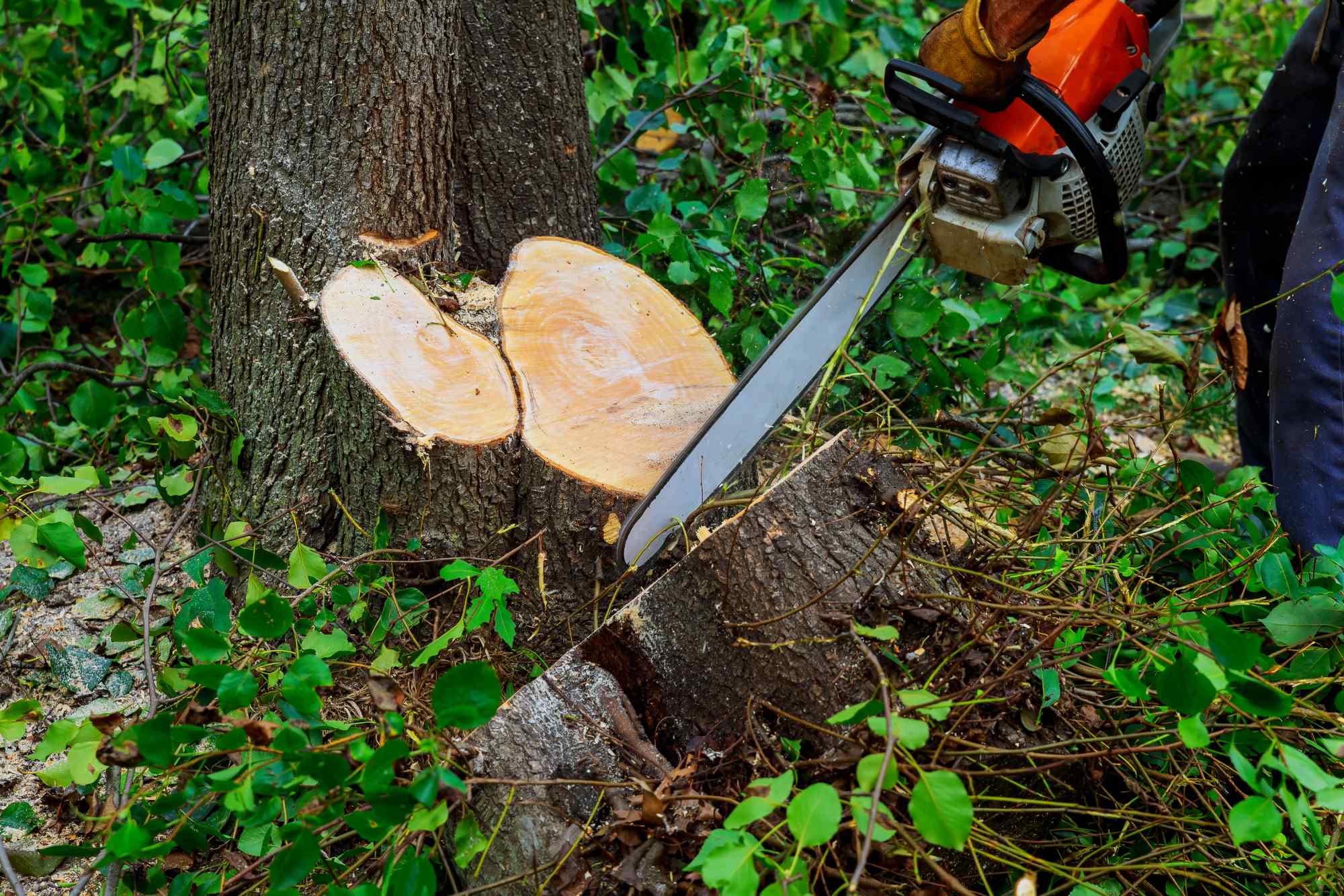
Stump grinding is an effective solution for removing unwanted tree stumps left behind after a tree has been cut down. These remaining stumps can take up valuable space and disrupt the appearance of a landscape. Grinding the stump below ground level helps restore the area so it can be used again for gardening, landscaping, or other outdoor improvements. This process allows the ground to become smooth and usable without leaving visible traces of the old stump. Removing stumps also improves the overall appearance of the property. A clean and level surface creates a more organised and attractive outdoor environment.

Old tree stumps can create practical challenges within a yard or garden. They may interfere with lawn maintenance, landscaping plans, or general movement around the property. Stump grinding eliminates these obstacles by breaking the stump down into small wood chips. The process works efficiently while minimising disruption to the surrounding ground. Once completed, the area can be easily prepared for grass, plants, or other landscape features. This method provides a convenient and long-lasting solution for stump removal. As a result, the space becomes easier to maintain and manage.

Another benefit of stump grinding is the prevention of pest and insect problems. Leftover stumps can attract termites, ants, and other insects that feed on decaying wood. Over time, these pests may spread to nearby trees, plants, or structures. By grinding the stump away, the source of attraction for these insects is removed. This helps maintain a healthier and safer outdoor environment. Eliminating decaying wood also reduces the chance of fungal growth in the surrounding soil. Proper stump removal supports the overall health of the landscape.

Stump grinding also improves safety within outdoor spaces. Stumps that remain above ground can become tripping hazards, especially in areas where people frequently walk or play. Children, pets, and visitors may accidentally stumble over these obstacles. Removing the stump eliminates this risk and creates a safer environment for everyone. A clear and level surface allows outdoor areas to be used more comfortably. This is particularly important in residential yards, gardens, and recreational spaces. Removing hazards helps create a more secure and functional landscape.

The grinding process is designed to be efficient while preserving the surrounding landscape. Specialised equipment carefully breaks down the stump without causing unnecessary damage to nearby plants or soil. The wood chips created during the process can often be reused as mulch within the garden. This makes stump grinding both practical and environmentally beneficial. The remaining soil can then be levelled and prepared for new planting or landscaping work. Responsible stump removal allows the area to transition smoothly into its next use. This approach supports both functionality and sustainability.

Removing tree stumps can greatly enhance the long-term usability of outdoor spaces. Once the stump is ground down, the land becomes open for future improvements and landscaping ideas. Property owners can plant new trees, expand lawns, or create garden features without restrictions. The process restores balance to the landscape and improves its overall appearance. Over time, this contributes to a cleaner and more organised outdoor environment. Stump grinding provides a practical way to refresh and renew outdoor areas. With the obstacle removed, the landscape can continue to develop and flourish.

Service Image 5
Tree Removal

Tree removal is sometimes necessary when a tree becomes unsafe, diseased, or unsuitable for its surrounding environment. Trees that are damaged by storms, decay, or structural weakness can pose risks to nearby buildings, vehicles, and outdoor areas. Removing these trees helps prevent potential hazards and protects the surrounding landscape. The process requires careful planning and precision to ensure it is carried out safely and efficiently. Every step is performed with attention to the tree’s size, position, and nearby structures. Responsible tree removal helps maintain a secure and well-managed outdoor environment.

Certain trees may outgrow their space and begin to interfere with surrounding structures or landscape features. Roots may affect foundations, pathways, or underground utilities, while large branches may extend too close to roofs or power lines. In such situations, removal becomes the most practical solution to prevent further damage. Carefully removing the tree allows the surrounding area to regain balance and functionality. It also creates space for future landscaping or planting opportunities. Managing tree growth in this way helps maintain the safety and usability of the property. Thoughtful decisions ensure the landscape continues to develop in a sustainable way.

Trees affected by disease or severe decay may gradually lose their structural strength. Weak trunks or hollow branches can increase the risk of unexpected breakage. Removing these compromised trees helps protect nearby plants and prevents disease from spreading through the landscape. Early action can reduce the chances of larger problems developing later. Healthy landscapes rely on proactive tree management and responsible decision-making. Removing unstable trees ensures that surrounding vegetation has the opportunity to grow and thrive. Maintaining balance within the environment supports long-term landscape health.

Storms and strong winds can also create situations where tree removal becomes necessary. Trees that have been partially uprooted or heavily damaged may no longer be stable. Broken limbs and weakened trunks can make them dangerous to leave standing. Removing storm-damaged trees helps restore safety and order to the surrounding area. Clearing these hazards prevents further damage during future weather events. It also allows property owners to regain control of their outdoor spaces. Prompt action ensures the environment remains secure and manageable.

Tree removal also plays a role in improving the layout and appearance of a landscape. In some cases, removing a tree may allow more sunlight to reach nearby plants and lawns. This change can encourage healthier growth in the surrounding vegetation. It can also create more open space for landscaping features or outdoor activities. Thoughtful tree management helps maintain a balanced relationship between natural elements and built spaces. When a tree no longer fits within the environment, careful removal can help reshape the landscape positively. The result is a more functional and visually pleasing outdoor setting.

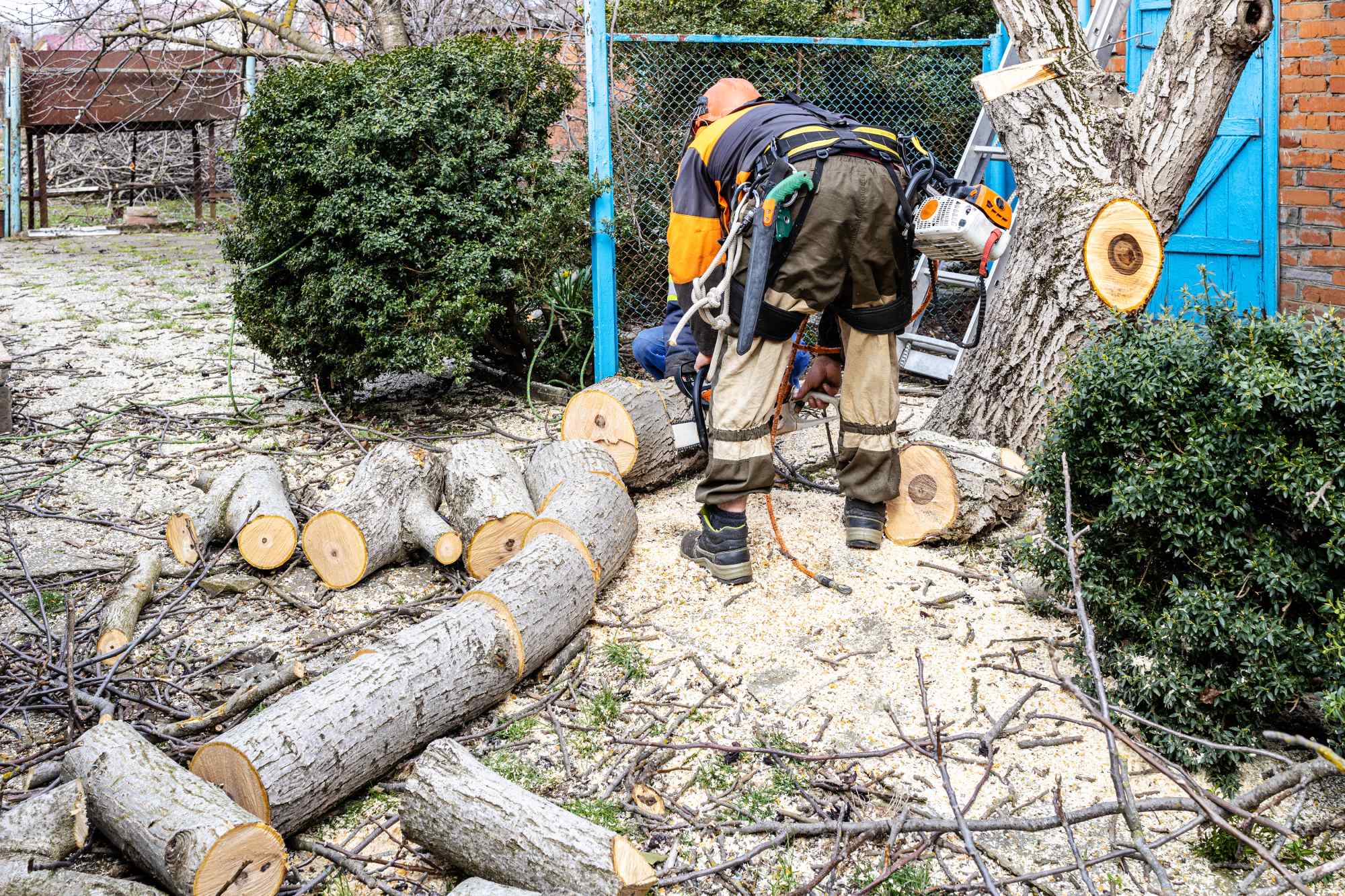
The process of tree removal requires careful planning, proper equipment, and professional expertise. Each step must be handled with precision to ensure safety and minimise disruption to the surrounding area. Sections of the tree are often removed gradually to maintain full control during the process. This controlled approach helps protect nearby structures and landscape features. Once the tree is removed, the area can be cleared and prepared for future use. Responsible tree removal ensures that outdoor spaces remain safe, organised, and ready for new possibilities.
Service Image 6
Mulching

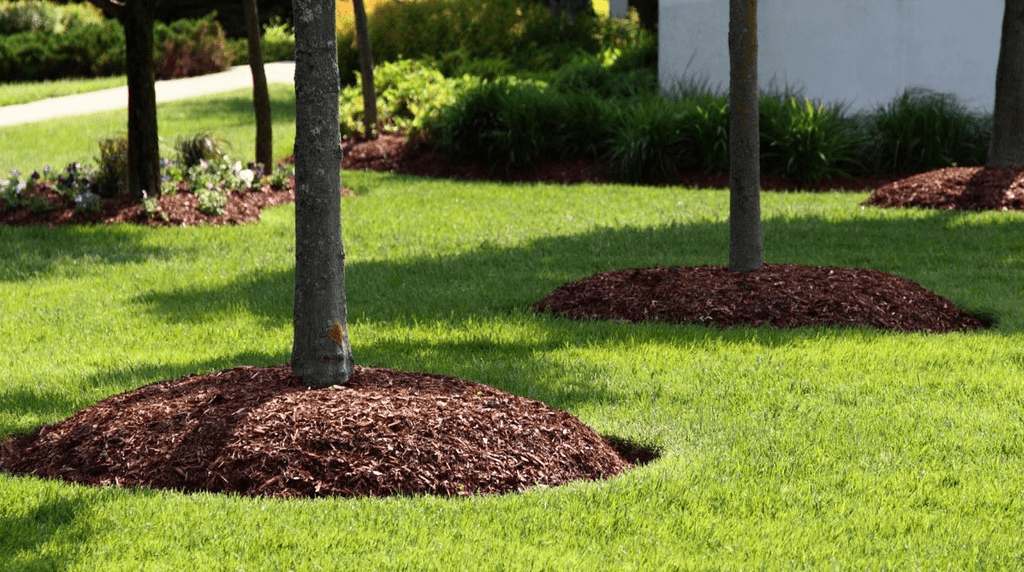
Mulching is an important landscaping practice that helps improve soil health and protect plant life in outdoor spaces. By placing a layer of organic material over the soil, moisture can be retained for longer periods, allowing plants and trees to stay hydrated. This protective layer also helps regulate soil temperature, creating a more stable environment for roots to grow. Mulch acts as a natural barrier that shields the soil from harsh sunlight and heavy rain. Over time, it gradually breaks down and adds valuable nutrients back into the soil. This natural process supports stronger and healthier plant growth throughout the landscape.

One of the main benefits of mulching is its ability to conserve moisture in the soil. During warmer seasons, soil can dry out quickly, which may place stress on plants and trees. Mulch helps slow down evaporation, allowing the soil to remain moist for longer periods. This reduces the need for frequent watering and helps plants maintain steady growth. A well-mulched garden can remain healthier even during dry weather conditions. By maintaining proper moisture levels, plants are better able to absorb nutrients from the soil. This creates a stronger and more resilient landscape overall.

Mulching also plays an important role in controlling weed growth. Weeds often compete with plants for nutrients, water, and space within the soil. A thick layer of mulch acts as a barrier that blocks sunlight from reaching weed seeds. Without sufficient light, many weeds are unable to grow or spread effectively. This helps reduce the amount of maintenance required in gardens and landscaped areas. As a result, plants can grow without unnecessary competition from unwanted vegetation. Keeping weeds under control helps maintain a cleaner and healthier outdoor environment.

Another advantage of mulching is its ability to improve soil quality over time. As organic mulch breaks down naturally, it adds nutrients and beneficial organic matter to the soil. This improves soil structure and encourages healthy microbial activity underground. Richer soil supports stronger root systems and better plant development. Over time, the landscape becomes more fertile and capable of supporting healthy vegetation. Natural soil improvement reduces the need for additional fertilizers. This contributes to a more sustainable and balanced gardening approach.

Mulching also helps protect the roots of plants and trees from extreme environmental conditions. During hot weather, mulch provides insulation that keeps the soil cooler. In colder seasons, it helps maintain warmth around the roots, preventing sudden temperature changes. These protective qualities allow plants to grow more consistently throughout the year. A stable root environment is essential for long-term plant health. By shielding the soil from rapid temperature shifts, mulch helps plants adapt to seasonal changes more effectively. This protective layer plays a key role in maintaining a thriving landscape.

Beyond its practical benefits, mulching also enhances the visual appeal of outdoor spaces. A well-mulched garden or landscape looks cleaner, more organised, and professionally maintained. The rich texture and colour of mulch create contrast that highlights plants, trees, and garden features. This simple addition can transform an ordinary garden into a more attractive and inviting environment. Mulch helps unify different elements of the landscape while providing functional benefits. With proper application, it contributes both beauty and long-term health to outdoor spaces.